A Beginner's Guide to Ethical Animal Encounters While Traveling
The thrill of seeing exotic wildlife up close can be a powerful motivator for many travelers. In my early globetrotting days, I was no exception. I remember booking a ‘swim with dolphins’ experience in Southeast Asia, convinced I was supporting a benevolent cause. The facility promised interaction, education, and even a ‘rescue’ narrative. It wasn’t until later, after witnessing the cramped enclosures and repetitive behaviors, that a knot of unease began to form. This experience, while seemingly innocent at the time, became a turning point. It highlighted a critical problem: the tourism industry’s often deceptive portrayal of animal interactions, frequently masking practices that are detrimental to animal welfare and conservation. My mistake, like many others, was born from a lack of information and an abundance of good intentions. The truth is, many ‘once-in-a-lifetime’ animal encounters prioritize profit over welfare, and discerning the ethical from the exploitative can be incredibly challenging without the right knowledge. This guide is built from my own hard-won lessons and extensive research, designed to equip you with the tools to make responsible choices and ensure your wildlife encounters are genuinely enriching for both you and the animals involved.
Key Takeaways
- Prioritize observation in natural habitats over direct interaction in captive settings.
- Research tour operators thoroughly, looking for transparency in animal sourcing and care.
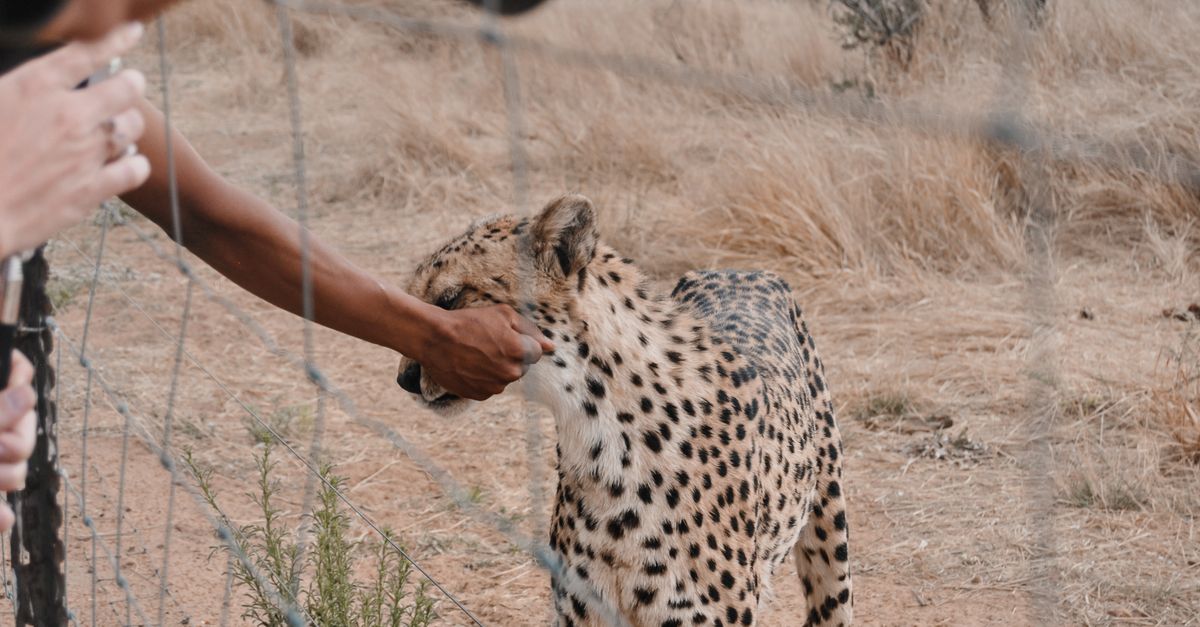
- Question any experience that allows direct physical contact, feeding, or riding of wild animals.
- Support reputable sanctuaries and rescue centers that do not breed or exploit animals for entertainment.
The Allure of Interaction Versus the Reality of Exploitation
It’s natural to want to get close to wildlife. We’re wired for connection, and the thought of touching a tiger or riding an elephant can feel incredibly exciting. The mistake I see most often, and one I made myself, is believing that these interactions are harmless, or even beneficial to the animals. The industry marketing is powerful, often featuring smiling tourists and seemingly content animals, perpetuating a narrative of mutual enjoyment. What they don’t show you is the often brutal training involved, the separation of young animals from their mothers, or the lifelong stress and psychological damage inflicted by forced interaction. For instance, the ‘crushing’ (phajaan) ritual used to break the spirit of young elephants for riding and performing purposes is a well-documented horror. Tigers bred in captivity for photo opportunities are often drugged, declawed, or have their teeth removed to ensure tourist safety. These are not isolated incidents; they are systemic practices in many ‘attractions.’ What changed everything for me was realizing that if an animal can be ridden, touched, or forced to perform, it’s almost certainly being exploited. True ethical encounters emphasize minimal disturbance, allowing animals to exhibit natural behaviors in their own environment. My perspective shifted from ‘what can I do with an animal?’ to ‘how can I observe an animal in a way that respects its wildness?’
Researching Operators: Beyond the Glossy Brochures
When planning a wildlife experience, the internet is flooded with options, each promising an ‘unforgettable’ encounter. The challenge lies in sifting through the marketing hype to find genuinely ethical operators. In my experience, the mistake many travelers make is relying solely on popular travel sites or social media reviews, which often don’t provide critical insights into animal welfare. A common misconception is that a ‘sanctuary’ or ‘rescue center’ label automatically guarantees ethical practices. Unfortunately, many exploitative operations use these terms to mislead tourists. What actually works is deep, investigative research. Start by looking for transparency: Does the organization clearly state its mission and how it funds its operations? Do they publish annual reports or detailed accounts of their animal care? Seek out third-party certifications from reputable conservation organizations, such as World Animal Protection or the Global Federation of Animal Sanctuaries. Crucially, look for explicit policies against direct physical contact, riding, performances, or breeding of wild animals. For example, a truly ethical elephant sanctuary will allow you to observe elephants roaming freely, bathing themselves, and interacting with their own kind, rather than offering rides or bathing opportunities with tourists. Always cross-reference reviews on multiple independent platforms, and pay close attention to any mention of animals appearing lethargic, repetitive pacing, or handlers using hooks or chains. If it feels too good to be true, it almost certainly is.
The Peril of Physical Contact: Why ‘Harmless’ Touches Hurt
The desire to pet a lion cub or hold a sloth is understandable, driven by affection and curiosity. However, allowing physical contact with wild animals, even seemingly gentle ones, is one of the clearest indicators of an unethical operation. The mistake I often see travelers make is assuming a brief touch or photo opportunity is benign. What they don’t realize is the cumulative impact on the animal. Constant human interaction causes immense stress, disrupts natural behaviors, and can lead to habituation, making animals more vulnerable in the wild. For example, sloths, often perceived as docile, are incredibly sensitive to human touch and noise; being handled by tourists can cause severe anxiety and even heart attacks. Even seemingly minor interactions, like feeding monkeys, can lead to aggressive behavior, dependence on human food sources (which are often unhealthy for them), and increased risk of disease transmission. What changed everything for me was learning that ethical wildlife viewing means maintaining a respectful distance, allowing animals to live undisturbed. This isn’t about being cold; it’s about genuine respect for their wild nature and supporting environments where they can thrive on their own terms. If a venue offers you the chance to cuddle, hold, or directly interact with a wild animal, it’s a red flag to walk away.
Supporting Genuine Conservation: Where Your Money Truly Helps
One of the most powerful ways to have ethical animal encounters is to ensure your travel dollars directly support genuine conservation efforts, not exploitation. The mistake I made early on was trusting vague promises of ‘conservation’ without digging into specifics. Many operations claim to support conservation but use a tiny fraction of their profits for show, while the majority funds their exploitative practices. What actually works is a rigorous vetting process to identify organizations with verifiable track records. Look for organizations involved in habitat preservation, anti-poaching initiatives, rehabilitation and release programs, or community education. For example, supporting a national park where entrance fees go directly towards protecting critical ecosystems and their resident wildlife is an excellent choice. Visiting a legitimate wildlife rehabilitation center that focuses on nursing injured or orphaned animals back to health and, if possible, releasing them back into the wild, is another. These centers typically do not allow direct public interaction with animals, precisely because their goal is to minimize habituation and prepare animals for a wild existence. Ask tough questions: Where do their animals come from? Do they breed animals? Do they engage in any direct contact experiences? A truly ethical organization will welcome these questions and provide clear, satisfactory answers. Your money, directed wisely, can be a powerful force for good, preserving wildlife for future generations.
Observing Wildlife in Their Natural Habitats: The Ultimate Ethical Encounter
After years of traveling, my strongest and most memorable animal encounters have been those where I’ve observed wildlife in their natural environment, without any direct interaction. The mistake many beginners make is thinking that this approach is less exciting than a captive experience. In my experience, the exact opposite is true. Witnessing a family of gorillas interact in the rainforest, a pod of whales breaching in the open ocean, or a herd of wildebeest migrating across the savannah offers a profound sense of awe and connection that no staged encounter can replicate. It’s a privilege to be a silent observer in their world, allowing them to exhibit their true, uninhibited behaviors. What changed everything for me was understanding that patience is key. Ethical wildlife viewing often requires a greater investment of time and sometimes more remote travel, but the rewards are immeasurable. Choose reputable eco-tourism operators who prioritize small groups, maintain strict viewing distances, and educate visitors on minimizing their impact. These operators understand the delicate balance of ecosystems and strive to provide authentic experiences that respect wildlife boundaries. This approach not only provides the most ethical encounter but also fosters a deeper appreciation for the incredible biodiversity of our planet, inspiring genuine support for conservation.
Frequently Asked Questions
How can I tell if an animal sanctuary is genuinely ethical?
Look for explicit policies against direct human contact, riding, performances, or breeding of wild animals. Ethical sanctuaries prioritize animal welfare and rehabilitation, aiming for release back into the wild if possible. They should also be transparent about their funding and affiliations with recognized conservation bodies.
Is it okay to feed wild animals if a local guide encourages it?
No, it’s generally not advisable. Feeding wild animals, even if encouraged by a local, can disrupt their natural foraging behaviors, lead to dependency on human food (which is often unhealthy for them), and increase aggression or disease transmission risks. It’s best to observe without interfering.
What should I do if I encounter an unethical animal tourism operation?
If you witness exploitative practices, do not engage or pay for the experience. Politely and firmly voice your concerns to the operator if you feel safe to do so. More importantly, report the establishment to relevant local authorities, international animal welfare organizations (like World Animal Protection), or your travel provider. Sharing your experience on reputable review sites can also raise awareness for future travelers.
Are all ‘swim with dolphins’ or ‘tiger temple’ experiences unethical?
While there may be rare exceptions, the vast majority of experiences offering direct interaction like ‘swim with dolphins’ or ‘tiger temple’ encounters involve significant animal exploitation. Dolphins are often captured from the wild and kept in small enclosures, while tigers are typically drugged or declawed for tourist safety. Always research thoroughly and default to non-contact observation from a distance.
Can I still get great photos of wildlife without getting close or interacting?
Absolutely! With modern camera technology, excellent wildlife photography is achievable from a respectful distance. Ethical wildlife viewing actually provides more authentic and powerful photo opportunities of animals in their natural state. Invest in a good zoom lens, practice patience, and focus on capturing natural behaviors rather than forced interactions.
Written by Amelia Vance
Cultural immersion and visual storytelling
A photojournalist by trade, Amelia captures the soul of a destination through her lens and evocative prose.
You Might Also Like

A Beginner's Guide to Packing for Cold Weather Travel
Master packing for cold weather travel with this guide, focusing on layering, essential gear, and smart space-saving strategies for comfort.

A Practical Checklist for Navigating Long Airport Layovers
Don't let long layovers ruin your trip. This checklist offers practical steps to make them productive, comfortable, and even enjoyable.

Digital Journal Versus Notebook: Capturing Your Travel Memories
Uncover whether a digital journal or a traditional notebook better preserves your travel memories. I share insights from years on the road.