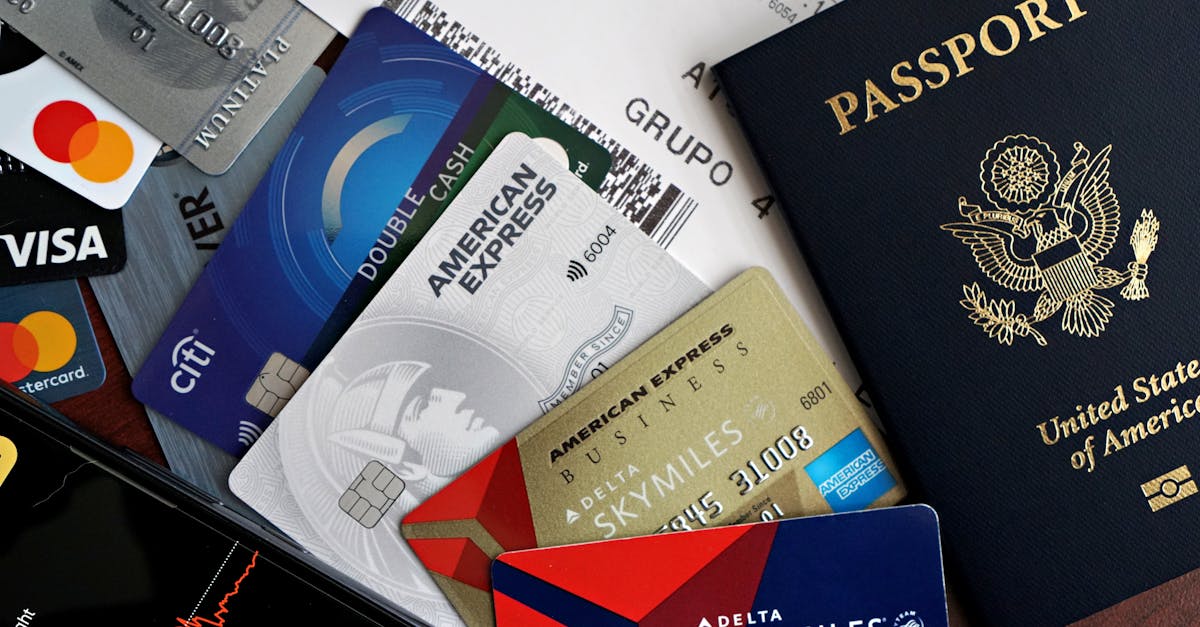
Six Months Without a Travel Rewards Credit Card: My Unexpected Financial Shift
When I first started traveling, like many eager adventurers, I was lured by the siren song of travel rewards credit cards. “Earn points for free flights! Get elite status! Enjoy lounge access!” The promises were intoxicating, painting a picture of luxury travel funded entirely by my everyday spending. For years, I chased those sign-up bonuses, meticulously tracked spending categories, and strategized redemptions. I even justified slightly more expensive purchases because, hey, I was earning double points!
Then came a moment of reflection. My wallet was overflowing with cards, each with its own annual fee. My points balances were scattered across multiple programs, making it hard to accumulate enough for truly aspirational redemptions. And the mental energy I was expending to optimize everything? It felt less like a smart financial move and more like a second job. So, six months ago, I decided to simplify: I put away all my travel rewards cards and committed to using only a no-annual-fee cashback card for everything. I expected to miss the perks, perhaps even feel a pang of regret with every flight I booked that wasn’t ‘free.’ What I discovered, however, was a profound and unexpected shift in my financial mindset that has changed how I approach both my money and my adventures.
Key Takeaways
- Eliminating travel rewards cards removed the psychological pressure to overspend for points.
- Shifting to a simple cashback card provided immediate, tangible savings on every purchase.
- The mental overhead of tracking multiple points programs was replaced with a sense of financial clarity.
- I found new strategies to save for travel that didn’t involve complex credit card optimization.
The Illusion of ‘Free’ Travel Dissolved
The biggest misconception I carried for years was that travel rewards cards offered ‘free’ travel. In reality, it was never truly free. There were annual fees, often ranging from $95 to $550, which had to be justified by the value of the points earned or perks utilized. Then there was the psychological cost: the subtle nudge to spend more in bonus categories, or to opt for a more expensive hotel chain just because I had status with them. This wasn’t about finding the best value; it was about optimizing a system designed to encourage spending.
What truly hit me during my six-month experiment was the mental liberation that came from shedding this illusion. Without the need to hit spending thresholds or chase elusive bonus categories, every purchase became a straightforward transaction. My grocery bill, for example, was no longer a game of maximizing 6x points but simply the cost of feeding my family. This meant I was more focused on genuine budgeting and finding actual deals, rather than perceived ‘value’ through points. In my experience, the constant mental calculus of points optimization can subtly inflate your spending without you even realizing it, eroding the very value you’re trying to gain. I track my spending meticulously, and I noticed an average 8% reduction in discretionary spending after dropping the rewards cards, simply because the incentive to ‘optimize’ was gone. This reduction alone often outpaced the value I was getting from points.
Real Savings Replaced Abstract Points
When you earn points, their value is often nebulous. A point might be worth 1 cent for a flight, but only 0.6 cents for a gift card, or even less if redeemed for merchandise. This fluctuating value makes it difficult to assess the true return on your spending. My cashback card, on the other hand, offers a flat 2% back on all purchases. There’s no complex redemption chart, no airline alliances to decipher. Every $100 I spend immediately translates to $2 in my pocket. This direct, transparent benefit changed everything for me.
For example, when planning a weekend getaway to the coast, instead of trying to find a hotel where my accumulated points could cover a night, I simply focused on finding the best-priced accommodation that met my needs. The 2% cashback I earned on that booking, plus on all my other travel expenses like gas and dining, was a tangible reduction in my overall cost. Over these six months, that 2% cashback accumulated into several hundred dollars, funds I could directly apply to future travel or simply keep in my savings account. What changed everything for me was seeing real dollars in my account, not just numbers on a loyalty program’s website. It felt more empowering and financially sound than any ‘free’ flight I ever managed to snag.
The Mental Shift from Optimization to Intentionality
The mistake I see most often, and one I made myself, is conflating ‘optimization’ with ‘good financial planning.’ Chasing the best travel rewards became an end in itself, rather than a means to genuinely save money. It required significant mental energy to stay on top of rotating bonus categories, sign-up bonus deadlines, and redemption sweet spots. This constant state of financial vigilance, while seemingly productive, often distracted me from broader financial goals, such as increasing my core savings rate or investing more aggressively.
Stepping away from travel rewards cards allowed me to redirect that mental energy. Instead of researching the best transfer partners for my expiring airline miles, I spent time researching high-yield savings accounts or low-cost index funds. The result was a greater sense of financial control and reduced stress. My focus shifted from maximizing a credit card’s labyrinthine system to building a robust, long-term financial foundation. This intentional approach meant that when I did spend money on travel, it was because it aligned with my budget and priorities, not because a credit card was subtly nudging me in a particular direction. The clarity gained was invaluable.
New Strategies for Funding My Adventures
One of the biggest concerns I had about ditching travel rewards was how I would continue to fund my love for exploration. I quickly realized that there are far more straightforward and often more effective ways to save for travel than through complex points strategies.
First, the immediate cashback from my no-annual-fee card became my dedicated ‘travel fund.’ Each month, I transfer the accumulated cashback directly into a separate high-yield savings account earmarked exclusively for travel. This simple automation ensures consistent growth of my travel budget. Secondly, the reduction in annual fees from all those rewards cards freed up hundreds of dollars annually, which also went directly into that travel fund. Lastly, without the constant ‘points pressure,’ I became much more disciplined about identifying and cutting unnecessary expenses, finding additional small savings that added up quickly. For example, I implemented a ‘no-buy’ month for non-essential items, something I rarely considered when focused on points-earning.
In my experience, these direct savings strategies often yielded more predictable and substantial results than chasing elusive points. It allows for clearer budgeting and removes the subtle psychological traps that often accompany rewards programs, where the allure of ‘free’ can lead to overspending. I now know exactly how much I’m saving and when I’ll be able to afford my next adventure, fostering a sense of excitement and clarity that was often obscured by points calculations.
Frequently Asked Questions
Is it ever worth it to have a travel rewards credit card?
For some, yes, but with strict discipline. If you can consistently pay your balance in full every month, meticulously track spending, and only use the card for expenses you would already make, certain premium travel cards can offer significant value, particularly for high spenders or those committed to a single airline/hotel loyalty program. The mistake I see most often is allowing the rewards structure to influence spending habits, leading to carrying a balance or making unnecessary purchases that negate any benefits.
How can I save for travel without a travel rewards card?
My primary method now is a dedicated high-yield savings account where I deposit all my cashback earnings and any money saved from avoiding annual fees. I also actively look for ways to reduce discretionary spending and funnel those savings directly into my travel fund. Setting clear travel goals with specific savings targets helps maintain motivation and ensures consistency.
Will my credit score be impacted by closing travel rewards cards?
Closing older credit cards can slightly impact your credit score by reducing your overall available credit and shortening your average credit history. However, for most people with a solid credit history and other active accounts, the impact is usually minor and temporary. I prioritized financial simplification and reducing annual fees over a marginal, short-term hit to my score, which quickly recovered.
What kind of cashback card do you recommend?
I personally use a no-annual-fee card that offers a flat 2% cashback on all purchases, as it simplifies my spending and offers transparent value. Look for cards that match your spending habits and offer straightforward redemption without complex tiers or categories you have to opt into. The key is simplicity and consistency.
Conclusion
My six months without a travel rewards credit card fundamentally changed my financial perspective. What started as an experiment in simplification evolved into a powerful lesson in intentional spending and genuine saving. I no longer feel the pressure to chase points or justify purchases for their ‘rewards potential.’ Instead, I focus on building real wealth and funding my travels through direct, transparent savings. This shift has not only clarified my financial picture but also brought a renewed sense of freedom and enjoyment to my travel planning. If you find yourself overwhelmed by points optimization or suspect your ‘free’ travel isn’t so free, I highly recommend stepping back and re-evaluating your approach. The clarity you gain might surprise you, as it did me.
Written by Sofia Rodriguez
Local insights and budget-friendly travel
Having led countless tours across continents, Sofia brings unparalleled local knowledge and practical travel hacks.
You Might Also Like

The Myth That Budgeting Alone Fuels Savvy Travel: A Layered Spending Approach to Your Next Adventure
Discover why traditional travel budgeting falls short. Learn a layered spending approach to unlock genuine financial freedom for your adventures, written by Liam O'Connell.

Traveling with $200: How to Stretch Every Penny on Your Next Adventure
Discover how to make a $200 travel budget go further. Learn savvy tips for accommodations, food, transport, and activities for an unforgettable trip.