
Traveling with $200: How to Stretch Every Penny on Your Next Adventure
You’ve got a burning desire for adventure, a few days off work, and a crisp $200 in your pocket. Sound familiar? In a world where travel blogs often showcase luxury getaways or ‘budget’ trips that still cost thousands, the idea of a truly low-cost adventure can feel out of reach. But it’s not. I’ve been there, staring at a limited budget, dreaming of new horizons, and making it work. The mistake I see most often is people assuming a small budget means a small experience. What changed everything for me was realizing that it forces creativity and a deeper connection to the local culture. This isn’t about deprivation; it’s about smart choices and maximizing value.
Key Takeaways
- Embrace off-season travel and less popular destinations to significantly reduce major costs like flights and accommodation.
- Prioritize self-catering by utilizing local markets and cooking facilities to drastically cut down on food expenses.
- Rely on public transportation, walking, or cycling, and avoid taxis or ride-shares to save on getting around.
- Focus on free or low-cost activities like hiking, local festivals, and public parks for rich cultural experiences.
Rethink Your Destination: The Power of ‘Not Quite Famous’
The first, and arguably most impactful, decision you’ll make with a $200 budget is where you go. Forget the glossy brochures of Paris or Rome; these cities will chew through $200 before you’ve even checked into your hostel. In my experience, the biggest drain on a small budget comes from trying to force an expensive destination to fit cheap travel. It rarely works.
Instead, look for destinations that are not quite famous but offer similar cultural or natural experiences. For instance, while Florence might be out of reach, a smaller Tuscan town like Cortona or Siena (if you can find cheap regional transport there) could offer a comparable charm with significantly lower food and accommodation costs. Or, instead of the bustling beaches of Cancun, consider lesser-known coastal towns in Mexico like Mahahual or even parts of the Yucatán peninsula that haven’t been fully ‘discovered’ by mass tourism. The key here is regional and local travel. Flying internationally for $200 is a pipe dream, but a bus ticket a few states over, or to a neighboring country (if you’re near a border), is entirely feasible.
What changed everything for me was looking at a map and focusing on places I could reach by affordable ground transport within a 4-8 hour radius. These destinations often have a vibrant local economy not inflated by international tourist prices. I once spent a long weekend in a small mountain town in North Carolina for under $150, including gas, food, and a modest cabin rental, simply because it wasn’t Asheville. The hiking was just as stunning, the local diner was half the price, and the experience felt far more authentic.
Master the Art of the Free Bed (or Nearly Free)
Accommodation is usually the second budget killer. When you only have $200, every dollar spent on a bed is a dollar not spent on experiences or food. This is where you get creative and shed any preconceived notions about what a ‘vacation’ should look like. The mistake I often see is people clinging to the idea of a private hotel room. With $200, that’s often a single night’s stay, leaving you with nothing for the rest of your trip.
What actually works for me is a tiered approach to finding a place to sleep. My first choice is always free accommodation. This often means leveraging your network. Do you have friends or family in a neighboring city? A simple couch to crash on can save you $50-$100 immediately. The second option is house-sitting or pet-sitting, which often comes with free accommodation in exchange for minimal responsibilities. Websites like TrustedHousesitters or HouseCarers exist, though securing a gig takes planning.
If free isn’t an option, aim for hostels with dorm beds. A dorm bed can often be found for $20-$40 per night in many budget-friendly destinations. Look for hostels that include breakfast and have a communal kitchen. This leads to the next crucial point. In my experience, the value-add of a free breakfast and kitchen access is easily worth an extra $5-$10 on the nightly rate.
Camping is another fantastic option if you’re traveling within a country where campgrounds are affordable. Many state parks or national forests offer primitive camping for under $20 a night, or even free dispersed camping with a permit. Just ensure you have the necessary gear, which could eat into your $200 if you don’t already own it.
Let’s do the math: if you spend $30 a night on a hostel bed, that leaves you with $170 for a two-night trip, or $110 for a three-night trip. Still tight, but manageable.
Fuel Your Adventure for Pennies, Not Dollars
Food is where many budget travelers unintentionally overspend. Eating out for every meal, even at cheap eateries, adds up surprisingly fast. For a $200 budget, dining out is a luxury to be indulged rarely, if at all. The common misconception is that you’ll miss out on local cuisine if you don’t eat at restaurants. This couldn’t be further from the truth.
What truly changed my food budget was embracing self-catering and local markets. If your accommodation has a communal kitchen (like many hostels or Airbnbs), use it. Before you even set foot in a grocery store, scout out local markets. These are often cheaper than supermarkets and offer a more authentic culinary experience. I’ve often found myself making friends with locals over fresh produce in a bustling market, leading to spontaneous cooking sessions and shared meals that cost next to nothing.
Focus on staples: rice, pasta, eggs, bread, seasonal vegetables, and legumes. A large bag of rice, a few eggs, and some local veggies can provide several meals. Pack a small container of basic spices from home – salt, pepper, maybe some chili flakes – to elevate simple dishes. Water is another area people overspend. Carry a reusable water bottle and refill it whenever possible, whether at your accommodation, public fountains (if safe), or cafes that offer free refills.
Let’s put numbers to it: If a single restaurant meal costs $15-$20, three meals a day could blow half your budget in just two days. By contrast, a $30 grocery haul at a local market can easily cover food for 3-4 days for one person, especially if you’re making simple, hearty meals. This leaves more room for other experiences.
Navigate with Nimble Feet and Public Transit
Transportation within your destination is another sneaky budget buster. Taxis, ride-shares, and even excessive use of local buses or subways can erode your $200 surprisingly quickly. The mistake here is valuing convenience over cost-effectiveness, even for short distances.
What actually works for me is prioritizing walking and cycling. Most cities, especially those with strong tourism, are walkable or have bike rental options (though these might be a one-time splurge). Walking is free, offers a fantastic way to discover hidden gems, and keeps you active. Before you arrive, study a map. Pinpoint your accommodation, key attractions, and food markets, and figure out if they’re within reasonable walking distance. A pair of comfortable shoes is your most valuable travel accessory.
For longer distances, public transportation is your best friend. Buses and subways are significantly cheaper than private transport. Look into day passes or multi-ride tickets if you plan on using them frequently, as these often offer better value than single fares. For instance, a single subway ride might be $2.50, but a day pass for $7 could cover unlimited rides, saving you money if you plan on visiting multiple areas.
Avoid renting a car. The cost of the rental, insurance, and gas will decimate a $200 budget. If you absolutely need to cover long distances, consider inter-city buses or regional trains, but factor these into your initial $200 budget carefully, as they are often the largest single expense after accommodation.
Embrace the Free and Found Experiences
With only $200, paid attractions can feel out of reach, but that doesn’t mean your trip has to be boring. Quite the opposite! The common misconception is that a memorable trip requires expensive tours or entry fees. My experience proves otherwise.
What truly changed my approach to travel was realizing that the richest experiences are often free. Focus on the public face of your destination. This includes:
- Walking tours: Many cities offer free walking tours (tip-based, so factor in a small gratuity if you enjoy it).
- Public parks and gardens: These are natural oases and often beautifully maintained, offering a tranquil escape and great people-watching opportunities.
- Local festivals and events: Check the local calendar before you go. Many towns have free concerts, markets, parades, or cultural celebrations that offer a deep dive into local life.
- Hiking and nature trails: If you’re in a natural setting, lace up your boots. The views are free, and the exercise is invigorating.
- Window shopping and people-watching: Find a bustling square, grab a cheap coffee from a local stand, and simply observe. You’d be surprised how much you learn about a culture by just watching daily life unfold.
- Free museums or gallery days: Some institutions offer free entry on specific days or evenings. Plan your visit around these.
I once spent an entire day in a coastal town, just walking the boardwalk, collecting seashells, reading a book on the beach, and sketching. It cost me nothing but brought immense joy and a deep sense of peace. That’s a richer experience than any overpriced tourist trap could offer.
Frequently Asked Questions
Is it really possible to travel with only $200?
Yes, it’s absolutely possible, especially for short trips (1-3 days) or if you’re extremely resourceful. It requires careful planning, prioritizing free or low-cost options for everything from accommodation to food, and being flexible with your destination choices. It’s more about embracing minimalism and local experiences than traditional tourism.
What are the biggest hidden costs to watch out for with a $200 budget?
Transportation (especially taxis or ride-shares), impulse food purchases (snack bars, bottled drinks), unexpected entry fees, and ATM withdrawal fees are common hidden costs. Plan your route, carry a reusable water bottle, buy groceries, and withdraw enough cash at once to minimize fees.
How can I make sure I’m safe when opting for super-budget accommodation or transportation?
Always research your accommodation thoroughly by reading recent reviews, especially those mentioning safety and cleanliness. For transportation, stick to reputable public transit systems. Inform a friend or family member of your itinerary, even if it’s just a quick text. Trust your gut instinct; if a situation feels off, remove yourself from it.
Should I bring cash or rely on cards for a $200 trip?
It’s best to have a mix. Cash is essential for local markets, small vendors, and tipping, especially in places where card machines might not be common. However, having a debit/credit card for larger purchases (like a pre-booked hostel) or emergencies provides security. Check for foreign transaction fees if traveling internationally.
What if my destination is expensive, and I still want to go?
With a strict $200 budget, an expensive destination will require even more extreme measures. Consider going for only one night, relying on a friend’s couch, or packing all your food. It might be more rewarding to save up more or choose a more budget-friendly location that allows for a less stressful experience.
Conclusion
Traveling with just $200 isn’t about compromising on the richness of your experience; it’s about shifting your definition of ‘rich.’ It’s about the sunrise you catch from a public park, the conversations you have in a communal kitchen, and the satisfaction of navigating a new place on your own two feet. It’s about the lessons in resourcefulness and the deeper appreciation for simple pleasures. Stop waiting for the perfect, big-budget trip. Start planning your micro-adventure now. Your next step is to pick a destination you can reach by affordable transport and start researching hostels with kitchens, or even a local friend’s couch.
Written by Sofia Rodriguez
Local insights and budget-friendly travel
Having led countless tours across continents, Sofia brings unparalleled local knowledge and practical travel hacks.
You Might Also Like
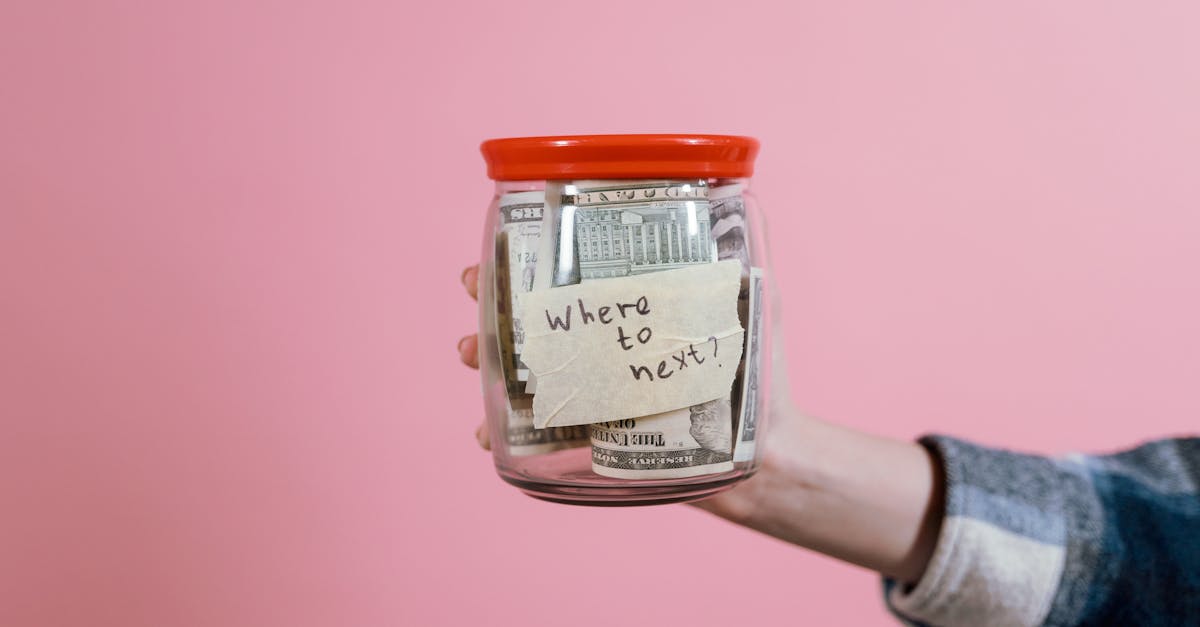
The Myth That Budgeting Alone Fuels Savvy Travel: A Layered Spending Approach to Your Next Adventure
Discover why traditional travel budgeting falls short. Learn a layered spending approach to unlock genuine financial freedom for your adventures, written by Liam O'Connell.
Six Months Without a Travel Rewards Credit Card: My Unexpected Financial Shift
After six months without a travel rewards card, I share how my spending habits and financial outlook surprisingly changed for the better.