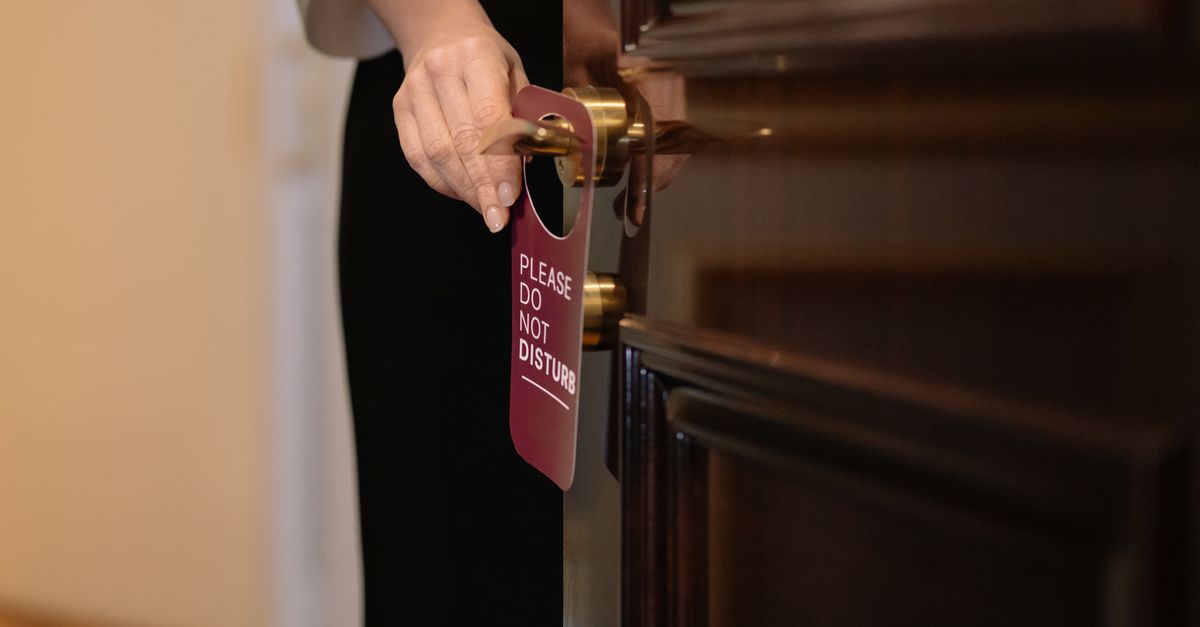
Do I Really Need to Tip Housekeeping at Hotels?
You’ve just wrapped up a fantastic stay at a hotel. Your bags are packed, the car’s loaded, and you’re ready to hit the road. As you do a final sweep of the room, you might glance at the perfectly made bed or the gleaming bathroom and wonder: “Do I really need to tip housekeeping?” For many travelers, this question often goes unanswered, resulting in either a hasty last-minute decision or, more often, no tip at all. In my experience, this isn’t just a matter of forgetfulness; it’s a genuine uncertainty about etiquette, expectation, and the real impact of that small gesture.
I’ve spent countless nights in hotels, from budget-friendly inns to luxury resorts, both as a traveler and, briefly, as an intern observing hotel operations. What changed everything for me was seeing firsthand the sheer volume of work and the often-invisible nature of the labor involved in maintaining those pristine rooms. The mistake I see most often is travelers treating hotel housekeeping as an automated service, rather than a demanding, physically intensive job performed by individuals who are often among the lowest-paid staff members. Tipping isn’t just about generosity; it’s about acknowledging essential labor that directly impacts your comfort and well-being during your stay.
Key Takeaways
- Tipping housekeeping is a direct acknowledgment of physically demanding, often underpaid labor that enhances your stay.
- The optimal tipping amount generally ranges from $2 to $5 per night, adjusted for room size, service quality, and location.
- Leaving tips daily in a clearly marked envelope ensures the money goes to the specific staff member(s) who cleaned your room each day.
- Housekeeping staff rely significantly on tips, with many earning minimum wage or slightly above.
- Consistent, thoughtful tipping fosters a culture of appreciation and can subtly enhance your service experience on future stays.
Housekeeping’s Invisible Labor and Its True Value
The most common misconception about hotel housekeeping is that it’s just a standard part of the room rate, implicitly covered. While true that it’s a budgeted operational cost for the hotel, the reality of the work itself is far more complex and physically taxing than most guests realize. I’ve witnessed housekeepers meticulously scrubbing bathrooms, changing multiple sets of heavy linens, vacuuming entire rooms, restocking amenities, and ensuring every surface is spotless – all under tight time constraints. This isn’t a desk job; it’s a marathon of bending, lifting, carrying, and detailed cleaning, often for 8-hour shifts or more.
Consider a typical 150-room hotel. Even if each housekeeper is assigned, say, 15-20 rooms per shift, that’s a tremendous amount of physical exertion and attention to detail required. Many housekeepers earn minimum wage or slightly above, meaning tips often form a crucial part of their take-home pay. Unlike restaurant servers, who often have numerous face-to-face interactions that prompt tipping, housekeepers frequently work in the background. They enter your room while you’re out, perform their duties, and leave before you return, making their invaluable contribution feel invisible. A tip, therefore, becomes a tangible way to say, “I see your effort, and I appreciate it.”
How Much Should You Actually Tip?
Deciding on a specific amount can be tricky, as there’s no universally agreed-upon standard like there might be for a server in a restaurant. However, based on extensive travel and discussions with hotel industry professionals, I’ve developed a guideline that feels both fair and impactful. For standard hotel rooms, a tip of $2 to $5 per night is generally appropriate. If you’re staying in a larger suite, a room with a kitchenette, or if the service was exceptionally thorough, consider increasing that to $5 to $10 per night.
Think about it this way: a single cup of coffee at the hotel cafe often costs more than $5. For the comprehensive cleaning and tidying of your entire living space, $3-$5 is a modest investment. When my family and I travel, especially with kids, the room inevitably gets messier than usual. Knowing the effort it takes, I always lean towards the higher end of the scale – often $5-$7 per night. It’s a small expense that ensures the person caring for our temporary home feels valued. The key is to be consistent; a small, regular tip is often more appreciated than a single large one at the end of a long stay, as different staff may clean your room on different days.
The “When” and “How” of Tipping Housekeeping
The timing and method of leaving your tip are just as important as the amount. The critical insight here, which many travelers miss, is to leave the tip daily. Why? Because it’s common for different housekeepers to clean your room on different days, especially during longer stays. If you leave one large tip at the end of a week-long stay, only the housekeeper who cleans on your final day will receive it, inadvertently shortchanging those who worked on previous days.
My routine is to place the money in a clearly marked envelope (many hotels provide these, or you can use your own) or at least a visible note on the pillow or bedside table that says “Thank You, Housekeeping.” This makes it unambiguous that the money is intended for them, rather than being mistaken for forgotten currency. I do this each morning before leaving the room for the day. This simple practice ensures that each person who contributes to your comfort is acknowledged promptly and fairly. It removes any guesswork and directly links the appreciation to the specific service received.
The Overlooked Benefit of Consistent Tipping
While the primary reason to tip housekeeping is to show appreciation for hard work, there’s a subtle, often unacknowledged benefit for the traveler: it can subtly enhance your stay. Now, let me be clear, this is not about expecting special treatment. Housekeepers are professionals, and they will clean your room to a high standard regardless. However, in my experience, a housekeeper who feels genuinely appreciated might go that extra mile without even realizing it. Perhaps they’ll replenish your favorite amenities more diligently, offer an extra towel, or simply ensure your room is impeccable.
More broadly, consistent tipping contributes to a positive work environment. Happy, valued staff are often more engaged and provide better service overall, which ultimately reflects well on the hotel and, by extension, enhances the guest experience. It’s a small act of kindness that creates a ripple effect, reinforcing the human connection in an industry that can sometimes feel transactional. It’s about recognizing that travel isn’t just about the destination; it’s about the people who make those journeys comfortable and memorable.
Addressing Common Tipping Anxieties
Many travelers express anxiety around tipping. “Is it really expected?” “Am I doing it wrong?” “What if the hotel has a ‘no-tipping’ policy?” Let’s break these down. While most hotels don’t explicitly state that tipping housekeeping is ‘expected,’ it is widely understood and deeply appreciated by staff. Think of it as a quiet expectation within the service industry—a gesture of respect that often goes unsaid but never unnoticed.
Regarding “no-tipping” policies, these are rare in the vast majority of hotels, especially in North America. If a hotel genuinely has such a policy, it will be clearly communicated, and their staff will usually be compensated with a higher base wage to reflect this. In my travels, I’ve encountered this perhaps once or twice in highly specialized, all-inclusive luxury settings, but never in a standard hotel chain. If you are unsure, a quick, polite inquiry at the front desk can clarify, but err on the side of appreciation. The gesture, even if politely declined, is always a positive one. The bottom line is that the vast majority of housekeepers rely on tips, and your anxiety about the gesture is far outweighed by their appreciation for it.
Why Tipping Housekeeping is More Important Than Ever
The landscape of travel and hospitality has seen significant shifts, and the importance of tipping housekeeping has only grown. With increased focus on cleanliness and hygiene, especially in recent years, housekeepers are performing even more intensive and detailed sanitization protocols. Their workload has often increased, while their base wages may not have kept pace.
Furthermore, the gig economy has blurred lines, making many service roles feel undervalued. Tipping housekeeping is a way to push back against this trend, recognizing that these are skilled professionals providing a crucial service. As travelers, we vote with our dollars, and a tip for housekeeping is a clear signal that we value the dignity of labor and the individuals who make our stays comfortable. It’s a small, personal contribution to ensuring that the people at the foundation of the hospitality industry feel seen, respected, and fairly compensated for their hard work.
Frequently Asked Questions
Is tipping housekeeping mandatory in hotels?
No, it is not mandatory in the sense that there is no enforced rule, but it is a widely accepted and deeply appreciated gesture in the hospitality industry, particularly in North America.
What happens if I forget to tip housekeeping?
Nothing negative will happen to you as a guest. However, the housekeeper(s) who cleaned your room will miss out on a potential source of income that often supplements their wages significantly.
Should I tip more if I make a big mess in my room?
Yes, absolutely. If your room requires extra effort to clean (e.g., traveling with pets, children, or having a party), it is customary and considerate to increase your tip to reflect the additional work involved.
Can I leave a gift instead of money?
While a thoughtful gift can be appreciated, cash is generally preferred as it offers housekeepers the most flexibility to use it for their personal needs. If you leave a gift, ensure it’s something easily transportable and universally useful.
What if I don’t have small bills for tipping?
I recommend getting a supply of $1 and $5 bills at the front desk upon check-in, or from a local ATM. Planning ahead ensures you can tip consistently and appropriately throughout your stay.
In conclusion, the question of whether to tip hotel housekeeping isn’t just about a few dollars; it’s about recognizing the often-invisible, demanding work that creates a comfortable and clean sanctuary for your travels. By consistently leaving a modest, daily tip, you’re not just adhering to an unspoken etiquette—you’re making a tangible difference in the lives of hardworking individuals and fostering a more appreciative travel culture. So, next time you check out, take a moment to leave that small, significant gesture. Your appreciation truly goes a long way. What’s one small step you’ll take on your next trip to ensure your gratitude is seen?
Written by Sofia Rodriguez
Local insights and budget-friendly travel
Having led countless tours across continents, Sofia brings unparalleled local knowledge and practical travel hacks.
You Might Also Like

A Beginner's Guide to Ethical Animal Encounters While Traveling
Learn how to engage with wildlife responsibly when traveling, avoiding common pitfalls and supporting genuine conservation efforts.

A Beginner's Guide to Packing for Cold Weather Travel
Master packing for cold weather travel with this guide, focusing on layering, essential gear, and smart space-saving strategies for comfort.

A Practical Checklist for Navigating Long Airport Layovers
Don't let long layovers ruin your trip. This checklist offers practical steps to make them productive, comfortable, and even enjoyable.