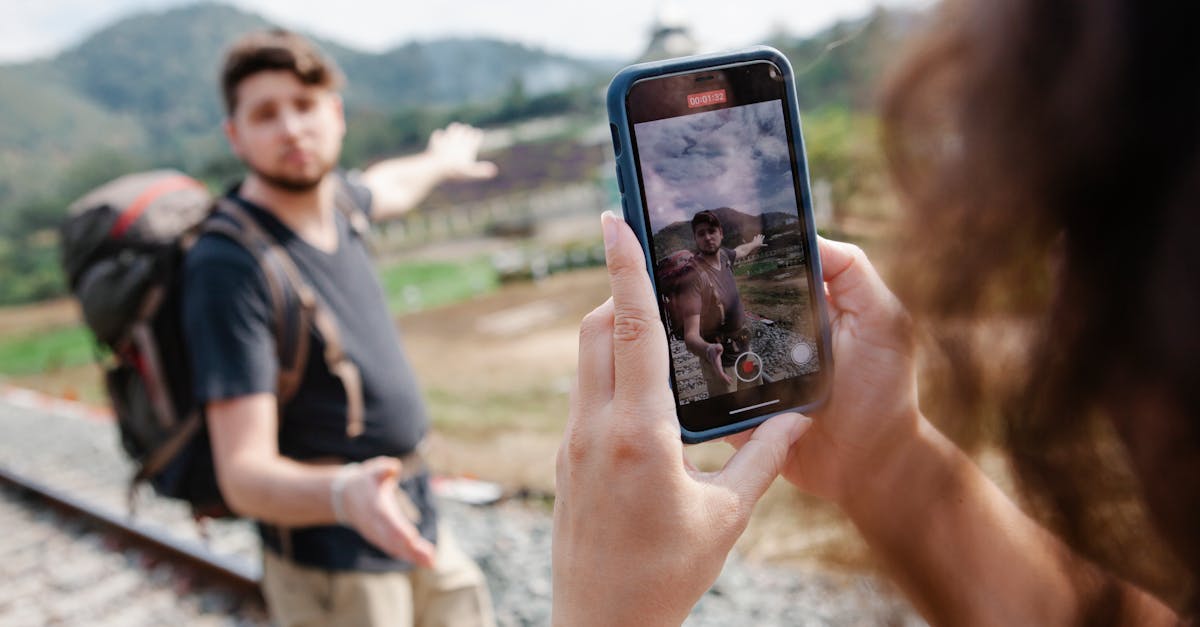
Do Travel Influencers Really Get Everything Free? What They Don't Tell You
Every time I scroll through my feed, I see another stunning influencer lounging on a pristine beach, sipping a colorful drink, or exploring a hidden gem that looks utterly unattainable. The comments are filled with ‘How do you afford this?’ or ‘Must be nice to get everything for free!’ And honestly, for a long time, I believed it too. The illusion of a perpetual, all-expenses-paid vacation is powerful.
But as someone who’s spent years in the travel content space, both behind the scenes and in front of the camera, I can tell you: the idea that travel influencers get everything for free is one of the biggest misconceptions out there. It’s a carefully curated image, built on a foundation of immense work, strategic trade-offs, and significant hidden costs. What you see online is often the polished final product, not the relentless grind or the financial and emotional investment that made it possible. This isn’t a world of endless freebies; it’s a demanding industry where ‘free’ often comes with a hefty price tag of its own.
Key Takeaways
- Many ‘free’ travel experiences for influencers are actually bartered services that demand extensive content creation in return.
- Influencers often cover significant costs themselves, including flights, insurance, and personal expenses, even on sponsored trips.
- The labor involved in planning, shooting, editing, and promoting content far outweighs the perceived ‘freebie’ value.
- Building a strong, engaged audience takes years of consistent effort and investment, which is the true currency for collaboration.
The Barter Economy: ‘Free’ Means Full-Time Work
When a hotel or tourism board offers a travel influencer a ‘free stay,’ it’s rarely a gift with no strings attached. In my experience, it’s almost always a bartered service. They’re not giving away rooms; they’re purchasing marketing and content. And the amount of work expected in return can be staggering.
For a three-night complimentary stay at a mid-tier resort, an influencer might be expected to deliver:
- 3–5 Instagram Grid Posts: Each requiring multiple high-quality photos/videos, detailed captions, relevant hashtags, and tagging the brand.
- 10–15 Instagram Stories: Often a mix of candid moments, product placements, facility tours, and direct calls to action (e.g., ‘Swipe up to book!’).
- 1–2 Instagram Reels or TikToks: Short, engaging videos showcasing the property, often with trending audio, transitions, and text overlays.
- 1 Dedicated Blog Post: A 1,000–1,500 word article with embedded photos and videos, optimized for SEO, and promoted across all channels.
- Mentions on Other Platforms: Such as Facebook posts, Pinterest pins, or even a YouTube mention if they have a channel.
And this content doesn’t just appear. It involves hours of planning shots, multiple outfit changes, constant vigilance for the ‘perfect’ lighting, reshoots, and then the monumental task of editing photos and videos, writing compelling copy, and scheduling everything. The ‘free stay’ might represent a few hundred dollars in accommodation, but the labor involved is easily worth several thousand dollars if they were charging their actual hourly rate for content production. The mistake I see most often is people equating the monetary value of the ‘free’ item with the actual compensation the influencer receives, which is often far less than their time and skill are worth.
Hidden Costs You Don’t See on the Feed
Even on fully sponsored press trips, where flights and accommodation are covered, there are always hidden costs that chip away at the ‘free’ illusion. What changed everything for me was realizing just how much I was still spending out of pocket.
- Flights (Often Partially Covered or Not At All): While a luxury hotel might offer a complimentary stay, they rarely cover international flights, especially for individual influencers. Sometimes a destination marketing organization (DMO) will cover flights, but it’s not a given. Many influencers pay for their own flights to secure these ‘free’ accommodation deals.
- Travel Insurance: Non-negotiable for international travel, and rarely covered by sponsors. This can run into hundreds of dollars per trip, especially for comprehensive medical and cancellation coverage.
- Food and Beverages: Unless it’s an all-inclusive resort, most sponsored stays only cover basic meals. Influencers still pay for snacks, drinks, lavish dinners for content, and any personal indulgences. Alcohol is almost never included.
- Ground Transportation: Taxis, Ubers, public transport to get to and from airports, and around destinations for shooting content. Sometimes a car rental is provided, but fuel and tolls are typically the influencer’s responsibility.
- Activities and Excursions: Unless explicitly part of the sponsored itinerary, influencers pay for their own excursions, museum entries, and adventure activities. Often, they do these things specifically to create more content, even if it means additional personal expense.
- Gear and Equipment: High-quality cameras, drones, lenses, tripods, laptops, editing software, hard drives, and mobile data plans. This is a perpetual, five-figure investment for any serious travel influencer, and none of it is covered by the brands they collaborate with.
- Styling and Wardrobe: While some fashion brands might sponsor outfits, most influencers carefully plan and purchase clothing that fits the aesthetic of the destination and their brand, all at their own cost.
- Staff/Assistant Costs: Many top-tier influencers travel with photographers, videographers, or assistants to manage the demanding content creation schedule. These salaries and travel costs are significant and usually borne by the influencer’s own business.
I vividly remember a ‘free’ five-day luxury resort stay in Southeast Asia that ended up costing me nearly $1,000 out-of-pocket for flights, insurance, dinners I paid for myself (because the sponsored meals were repetitive), and daily taxis to shoot off-property. The ‘free’ part was simply the starting point for a lot of my own investment.
The Audience is the Real Currency
At the heart of any successful influencer deal is the audience. Brands aren’t giving away ‘free’ trips out of generosity; they’re investing in access to an engaged, relevant audience. Building that audience, however, is anything but free.
It takes years of consistent, high-quality content creation without any direct compensation. Think about:
- Thousands of hours spent researching, planning, traveling, shooting, editing, writing, and engaging.
- Tens of thousands of dollars invested in personal travel, gear, education, and software.
- Relentless self-promotion and community building, often without immediate gratification.
- Emotional labor of constantly being ‘on,’ responding to comments, managing criticism, and dealing with online pressures.
In my experience, many aspiring travel influencers give up because they don’t grasp the sheer volume of effort required before any ‘free’ trips even become a possibility. Brands aren’t looking for someone with 10,000 followers; they’re looking for someone with 10,000 engaged followers who trust their recommendations and align with their brand values. This trust and engagement are the true currency, meticulously earned over time.
The Business Model: Where the Money Really Comes From
So, if ‘free’ isn’t truly free, how do travel influencers make a living? It’s a diversified business model, much like any other entrepreneur.
- Paid Brand Campaigns: These are the holy grail. Instead of just receiving a free stay, the influencer is paid a fee for their content creation and distribution, on top of any complimentary services. This fee reflects their audience size, engagement, content quality, and the specific deliverables.
- Affiliate Marketing: Earning a commission when their audience purchases a product or service through a unique link (e.g., booking a hotel, buying travel gear, booking a tour).
- Ad Revenue: From YouTube videos, blog posts, or podcasts. This is typically volume-driven and requires massive viewership/listenership.
- Selling Own Products/Services: Many influencers create and sell their own travel guides, presets, courses, merchandise, or offer consulting services.
- Photography/Videography Services: Leveraging their content creation skills for other brands or individuals outside of their direct influence.
- Speaking Engagements/Workshops: Sharing their expertise at travel conferences or events.
The ‘free’ trips are often just one piece of a much larger puzzle, strategically leveraged to create more content that can then be monetized through these other avenues. The mistake I made early on was thinking sponsored trips were the business, rather than a tool within the business.
Tax Implications of ‘Free’ Travel
This is a crucial point often overlooked: the IRS (and similar tax authorities worldwide) generally views ‘free’ goods and services received in exchange for work as taxable income. That ‘free’ luxury hotel stay? It has a fair market value, and that value is considered income.
Influencers need to:
- Track Everything: Document the fair market value of all received goods and services.
- Set Aside Funds: Budget for taxes on this ‘non-cash’ income, which can be challenging when you’re not actually receiving cash.
- Consult a Tax Professional: Specialized knowledge is often required to navigate these complexities, especially across international borders.
In my experience, overlooking the tax implications of ‘free’ travel can lead to significant financial headaches down the line. It’s a stark reminder that even the most glamorous perks carry a very real, very tangible cost.
The Illusion of Spontaneity
Perhaps the most important thing ‘they don’t tell you’ is how little true spontaneity exists in an influencer’s travel. What appears to be a casual, effortless moment is almost always meticulously planned.
- Pre-Scouting Locations: Hours are spent researching the best photo spots, optimal lighting times, and unique angles.
- Wardrobe Planning: Outfits are chosen specifically for each location and shot, often flown in separate luggage.
- Shot Lists: Detailed lists of specific photos and videos needed to fulfill brand contracts and fill content gaps.
- Audience Engagement Strategy: Planning when and how to engage with followers during the trip to maximize reach and impact.
This isn’t to say influencers don’t enjoy their travels; many genuinely love what they do. But the pressure to constantly create, capture, and perform means that even moments of supposed relaxation are often viewed through the lens of potential content. What you see as a carefree vacation is, for them, a highly structured, demanding work assignment.
Frequently Asked Questions
Do travel influencers pay for their own flights?
Often, yes. While some high-value collaborations or destination marketing organizations might cover flights, it’s common for influencers to pay for their own transportation to secure ‘free’ accommodation or other services, especially for individual trips rather than large press trips.
How do travel influencers make money if everything is free?
‘Free’ is a misnomer; it usually means bartered services. Influencers make money through paid brand campaigns (where they are paid a fee on top of free services), affiliate marketing, ad revenue from their content, selling their own products (like e-guides or presets), and offering content creation services to other businesses.
Is being a travel influencer a real job?
Absolutely. It requires extensive skills in content creation (photography, videography, writing, editing), marketing, social media management, business negotiation, accounting, and audience engagement. The hours are long, the pay can be inconsistent, and the pressure is high, making it a demanding full-time profession for many.
Do travel influencers have to pay taxes on free trips?
Yes, typically they do. The fair market value of any goods or services received in exchange for content or promotion is generally considered taxable income by tax authorities. Influencers must meticulously track these values and budget for the corresponding tax payments.
How much do travel influencers get paid for sponsored posts?
Payment varies wildly based on audience size, engagement rates, niche, platform, content quality, and the scope of work. A micro-influencer (10K-50K followers) might charge a few hundred dollars per post, while mega-influencers (1M+ followers) can command tens of thousands or even six figures for a comprehensive campaign.
Conclusion
The world of travel influencing is far more complex and demanding than the glamorous images suggest. The idea that influencers get ‘everything for free’ is a romanticized notion that glosses over the intense labor, significant personal investment, and strategic business acumen required to succeed. For most, ‘free’ is merely a transaction, a starting point for weeks of content creation, marketing, and relationship building. My advice to anyone aspiring to this path: understand the grind, budget for the unseen costs, and always remember that a strong, authentic connection with your audience is the only currency that truly matters. Start by creating value, and the ‘free’ opportunities will follow, but they will always demand your best work in return.
Written by Amelia Vance
Cultural immersion and visual storytelling
A photojournalist by trade, Amelia captures the soul of a destination through her lens and evocative prose.
You Might Also Like
A Beginner's Guide to Ethical Animal Encounters While Traveling
Learn how to engage with wildlife responsibly when traveling, avoiding common pitfalls and supporting genuine conservation efforts.

A Beginner's Guide to Packing for Cold Weather Travel
Master packing for cold weather travel with this guide, focusing on layering, essential gear, and smart space-saving strategies for comfort.

A Practical Checklist for Navigating Long Airport Layovers
Don't let long layovers ruin your trip. This checklist offers practical steps to make them productive, comfortable, and even enjoyable.