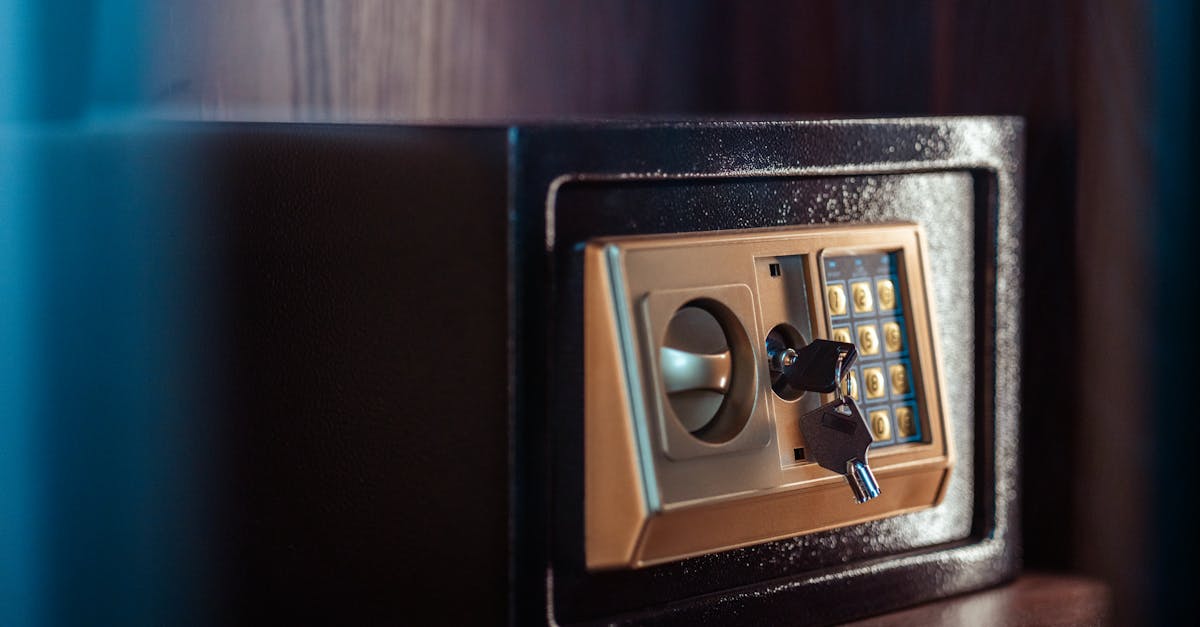
Secure Travel Documents Without a Hotel Safe
You’ve arrived at your dream destination, checked into your hotel, and are ready to explore. Then you realize your room doesn’t have a safe, or the one it has is too small for your laptop, or frankly, looks flimsy. The immediate panic sets in: where do you stash your passport, extra cash, backup credit cards, and important electronics to feel secure enough to leave the room? This scenario is far more common than most travelers anticipate, and it can quickly turn excitement into anxiety. In my early travel days, I made the mistake of leaving my passport under a stack of clothes, only to spend my entire day out riddled with ‘what if’ scenarios. What changed everything for me was realizing that true security isn’t about the presence of a safe, but about understanding human behavior and employing smart, inconspicuous hiding strategies.
Key Takeaways
- Repurpose ordinary hotel items like cereal boxes or dirty laundry bags as unexpected document caches.
- Avoid obvious hiding spots such as under the mattress or inside drawers that opportunistic thieves check first.
- Distribute valuables across multiple hidden locations and on your person to minimize total loss risk.
- Utilize personal security tools like cable locks and RFID-blocking pouches to enhance protection.
Rethink the Obvious: Why Traditional Hiding Spots Are Traps
The mistake I see most often is travelers defaulting to predictable hiding places, believing they’re being clever. Think about it: where would you look if you were trying to find valuables in a hotel room? Under the mattress, inside drawers, in the closet, under the sink, or even within shoes are often the first places an opportunistic thief will check. These are ‘high-probability’ search zones. The goal isn’t just to hide something, it’s to hide it in a way that makes it unlikely to be discovered within the limited time a thief might spend in your room. A professional thief might have five to ten minutes, a casual staff member even less. Your strategy needs to exploit this time constraint by making the search too time-consuming or by making the item invisible to a quick glance.
I learned this the hard way during a trip through Southeast Asia. I meticulously tucked my emergency cash inside a zipped compartment of a backpack, which I then stored in the hotel closet. Upon returning, I found the backpack subtly shifted, and the cash gone. It was a wake-up call that a ‘hidden’ compartment in a bag isn’t truly hidden if the bag itself is easily accessible and an obvious target. What works instead is to disrupt common search patterns. Instead of under the mattress, consider taping a passport to the underside of the bed frame, where it requires getting on hands and knees and looking up. This tiny shift in perspective drastically reduces the chance of discovery.
Camouflage with the Mundane: The Art of Disguise
The most effective hiding spots are those that blend into the ordinary, even the undesirable, aspects of a hotel room. Think about items a thief wouldn’t bother with, or even be repulsed by. This is where creative camouflage comes into play. For instance, an empty cereal box or an old shoebox, filled with mundane items like crumpled tissues or empty snack wrappers, becomes an excellent decoy. Nestling your passport, wrapped in a plastic bag, at the bottom of such a box makes it practically invisible to a casual search.
Another surprisingly effective spot is inside a bag of dirty laundry. No one wants to rummage through soiled clothes, especially if they’re not looking for laundry specifically. I often use a dedicated mesh laundry bag for this purpose. I’ll place essential documents, again, sealed in a waterproof bag, deep within the clothes. It’s not glamorous, but it capitalizes on the human aversion to unpleasant tasks. Similarly, wrapping small valuables in a used towel and placing it on a towel rack, or even in the corner of the bathroom floor, can deter a quick search. The key is to make your valuables appear as something utterly worthless or unappealing to a thief.
Distribute and Diversify: Never Put All Your Eggs in One Basket
One of the biggest lessons I’ve learned is the importance of diversification. Never keep all your essential documents, all your cash, or all your payment methods in a single location. This isn’t just about hiding; it’s about risk management. If one spot is compromised, you haven’t lost everything.
For example, I always carry a photocopy or digital image of my passport on my phone and in my email. The physical passport might be hidden in one spot, while a secondary ID and some emergency cash are in another. A portion of my daily spending money is kept in a money belt or a secure pocket on my person, while larger reserves are split and hidden in different locations within the room or even within different pieces of luggage. I also keep a separate debit or credit card tucked away in an extremely obscure place—perhaps even in a sealed envelope taped to the inside of a toiletries bag, which itself is in plain sight. This way, if my wallet is lost or stolen, I still have access to funds and identification. This multi-layered approach ensures that even in the worst-case scenario, you’re not left completely stranded.
Personal Security Tools Beyond the Safe
While this article focuses on strategies without a safe, some simple, portable tools can significantly enhance your security, even in its absence. A small, lightweight cable lock can be incredibly useful. You can use it to secure your backpack or suitcase (with valuables inside) to a sturdy, immovable object in the room, like a pipe under the sink or a heavy piece of furniture. While it won’t deter a determined professional with bolt cutters, it will frustrate an opportunistic thief who thrives on quick grabs.
I personally travel with a small, discreet RFID-blocking pouch for my passport and credit cards. Even when they’re hidden, this adds an extra layer of protection against digital skimming. Another simple tool is a door stopper alarm. These small, wedge-shaped devices emit a piercing sound if someone tries to open your door, alerting you and potentially scaring off intruders. They’re inexpensive, easy to pack, and provide a surprising amount of peace of mind, especially in rooms with less-than-sturdy locks. These tools aren’t replacements for smart hiding, but they act as excellent complements, turning your room into a harder target.
The Psychology of the Thief: Think Like Them to Outsmart Them
Understanding the mindset of an opportunistic thief is crucial. They are looking for speed and ease. They want to grab something valuable and get out quickly, with minimal risk of being caught. This means they will go for the most obvious, accessible places first. They are less likely to spend extensive time searching obscure, unappealing spots.
This insight is why a ‘messy’ room can sometimes be a safer room. If your room looks like a tornado hit it – clothes strewn about, papers scattered – a thief might assume you’ve already rummaged through everything and there’s nothing neatly organized to steal. Conversely, a meticulously tidy room might suggest that valuables are neatly tucked away, inviting a more thorough search. I’m not advocating for leaving your room a total disaster, but a controlled level of disarray, especially around your hiding spots, can act as an additional deterrent. For example, leaving a used coffee cup and some discarded receipts on the bedside table where you’ve taped something underneath can make it look like a quick clean-up job is the only thing warranted, rather than a deep search.
Beyond the Room: On-Person Security
While securing items in your hotel room is vital, it’s equally important to consider what you carry on your person. A money belt or a neck wallet, worn under your clothes, is indispensable for carrying your passport, main credit card, and a portion of your cash. This keeps your most critical items close and inaccessible to pickpockets. Don’t fall into the trap of thinking a regular wallet in your back pocket is secure; it’s a prime target.
When exploring, only carry the cash you expect to need for the day, along with one credit card and a secondary form of ID (like a driver’s license, leaving your passport safely hidden). This minimizes your losses if your day bag is stolen. The goal is to always have a backup plan, both inside and outside the hotel room. This comprehensive approach to security, blending smart hiding with personal vigilance, is what truly allows you to relax and enjoy your travels without constant worry about your valuables.
Frequently Asked Questions
Is it safe to leave my passport at the hotel front desk?
While it might seem safer, leaving your passport at the front desk is generally not recommended. Hotel staff are not trained security personnel for valuable documents, and it adds an unnecessary point of access for potential theft or loss, which is harder to track. It’s almost always better to keep it securely hidden in your room or on your person.
What if my hotel room doesn’t have a closet or desk with drawers?
Even in minimalist rooms, there are always opportunities for creative hiding. Look for fixed elements like the back of a mirror, the underside of a bedside lamp base, or even inside the lining of a waste bin (ensure items are double-bagged in plastic for hygiene). The back of a television set, or taped behind a large wall-mounted picture, can also work if you’re discreet.
Should I trust hotel staff with my valuables?
While most hotel staff are honest, the risk comes from opportunistic individuals, not necessarily malicious intent. The goal of these hiding strategies is to protect your items from any person who might briefly enter your room, whether they are staff, another guest who accidentally got access, or a rare bad actor. Personal responsibility for your valuables is always the safest bet.
How can I make my laptop more secure without a safe?
For laptops, a cable lock is your best friend. Secure it to an immovable object in the room like a heavy piece of furniture or even a water pipe. While not foolproof, it makes a quick grab impossible and signals to a thief that taking it will require more effort and time than they likely have. Alternatively, cover it with a pile of dirty laundry or leave it in an unzipped, unassuming bag.
What’s the one thing I should always do to secure my documents?
Always make copies (digital and physical) of your passport and other essential documents. Store digital copies in a cloud service you can access from anywhere and keep a physical copy separate from the original. This is your primary backup in case the worst happens, simplifying the process of replacing lost or stolen documents.
Traveling should be about discovery and joy, not constant anxiety over your belongings. By adopting these practical, psychology-based security strategies, you can significantly reduce the risk of theft and truly relax, knowing your valuables are discreetly protected. Implement these layers of defense, and you’ll transform your travel experience from worry to pure adventure. Safe travels!
Written by Sofia Rodriguez
Local insights and budget-friendly travel
Having led countless tours across continents, Sofia brings unparalleled local knowledge and practical travel hacks.
You Might Also Like

A Beginner's Guide to Ethical Animal Encounters While Traveling
Learn how to engage with wildlife responsibly when traveling, avoiding common pitfalls and supporting genuine conservation efforts.
A Beginner's Guide to Packing for Cold Weather Travel
Master packing for cold weather travel with this guide, focusing on layering, essential gear, and smart space-saving strategies for comfort.

A Practical Checklist for Navigating Long Airport Layovers
Don't let long layovers ruin your trip. This checklist offers practical steps to make them productive, comfortable, and even enjoyable.