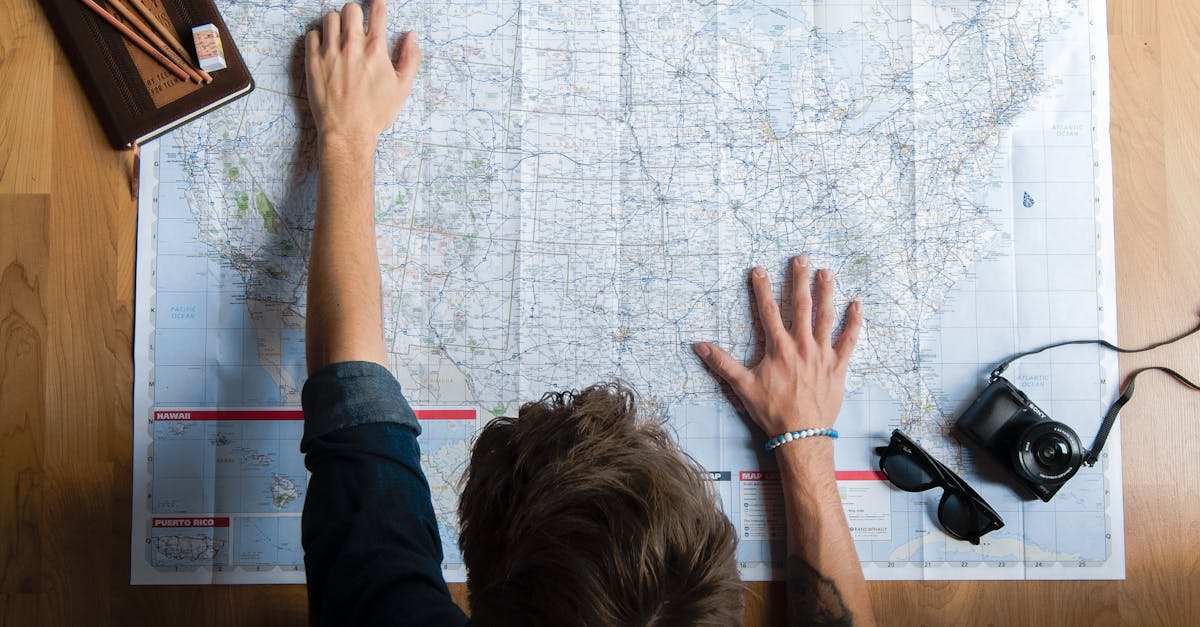
Five Travel Planning Pitfalls That Deliver Stress, Not Adventure
You’ve spent weeks dreaming of your next getaway, meticulously researching destinations, and envisioning serene mornings or thrilling explorations. But then, somewhere between booking flights and packing your bags, a familiar anxiety creeps in. The very process meant to deliver excitement becomes a source of stress, leaving you wondering if the trip will even be worth the hassle. This isn’t just pre-trip jitters; it’s often the direct result of fundamental errors in how we approach travel planning, turning what should be an adventure into an obligation.
I’ve seen it countless times, and, honestly, I’ve fallen into these traps myself. The desire to maximize every moment, to see every landmark, or to save every penny can inadvertently create a rigid itinerary that leaves no room for the unexpected joys of travel. What changed everything for me was realizing that true adventure often lies in embracing the unplanned, and that meticulous planning without flexibility is a recipe for disappointment. Let’s break down the common pitfalls that transform dream trips into stress tests and discover how to reclaim the joy of anticipation and the freedom of exploration.
Key Takeaways
- Over-scheduling your itinerary leaves no room for spontaneous discovery, leading to burnout.
- Relying solely on popular tourist spots often bypasses authentic local experiences and genuine connection.
- Neglecting budget flexibility can turn minor unexpected costs into major financial anxieties on the road.
- Dismissing local customs and language basics causes avoidable friction and missed cultural immersion opportunities.
- Skipping digital prep for essentials like currency conversion and navigation results in unnecessary logistical stress.
Over-Scheduling Your Itinerary Creates Burnout, Not Immersion
The mistake I see most often, and one I certainly made early in my travel writing career, is trying to cram too much into too little time. We fall into the trap of viewing a trip like a checklist: Must see the Eiffel Tower, then the Louvre, then Notre Dame, all before lunch! While the desire to experience everything is understandable, the concrete consequence is often burnout. Imagine racing through a museum, barely registering the masterpieces, just to make it to your next scheduled activity. You’re not immersing yourself; you’re merely observing, and often with a rising sense of exhaustion. In my experience, a rigid schedule squashes the very essence of discovery.
What changed everything for me was embracing the concept of ‘slow travel.’ Instead of three major attractions in a day, I now aim for one, maybe two, with plenty of unstructured time in between. For example, on a recent trip to Rome, instead of a frantic sprint through the Colosseum, Roman Forum, and Palatine Hill, I allocated an entire morning just to the Colosseum. After a leisurely exploration, I found a small, local trattoria for lunch, simply wandered through a nearby park, and allowed myself to get ‘lost’ in the backstreets, stumbling upon hidden churches and charming piazzas. This flexibility meant I truly absorbed the atmosphere, engaged with locals, and felt genuinely refreshed, not drained, by the end of the day. The goal isn’t just to see places, but to feel them, to let them unfold at their own pace. Leave significant blocks of time open for serendipity; that’s where the real magic happens.
Ignoring Local Insight Traps You in Tourist Bubbles
Many travelers, myself included, start planning by looking at guidebooks or popular travel blogs, which inevitably highlight the most famous attractions. The pitfall here is that these resources often steer you toward highly commercialized areas, creating a ‘tourist bubble’ where you interact mostly with other tourists and businesses catering specifically to them. The concrete consequence? You miss out on the authentic pulse of a destination. Your meals are overpriced, your souvenirs generic, and your interactions superficial.
The mistake I see most often is failing to tap into local knowledge until it’s too late. Before my trip to Kyoto, I initially planned to only visit the most famous temples and gardens. However, a friend who lived there insisted I spend an afternoon exploring the Nishiki Market and then find a small izakaya in Pontocho Alley. These weren’t on the typical tourist maps I was consulting. My experience in Nishiki Market, surrounded by locals doing their daily shopping, sampling street food, and practicing my limited Japanese, was far more enriching than simply ticking off another temple. That evening, the tiny izakaya offered not just incredible food, but also genuine conversation with the owner. To combat the tourist trap, actively seek out local recommendations. Before you go, scour local Facebook groups, subreddits, or even niche blogs written by expats. Once you arrive, ask your Airbnb host, a barista, or a shopkeeper for their favorite hidden gems. You’ll uncover experiences that truly resonate and reveal the true character of a place.
Underestimating Budget Flexibility Leads to Financial Anxiety
When planning a trip, many of us meticulously budget for flights, accommodation, and a rough estimate for food and activities. However, a significant pitfall is neglecting to build in a buffer for the unexpected. The concrete consequence of this oversight can be acute financial anxiety once you’re on the road. A cancelled train requires an unplanned taxi, an irresistible local craft catches your eye, or a sudden downpour necessitates an impromptu museum visit – these small, unbudgeted expenses can quickly erode your planned allocation and leave you feeling stressed about every purchase.
What changed everything for me was adopting a ‘contingency fund’ approach. For any trip, I now add an extra 15-20% to my total estimated budget, explicitly labeled for ‘unexpected expenses’ or ‘spontaneous indulgences.’ This isn’t about overspending; it’s about peace of mind. For example, during a cycling tour in Vietnam, my bike suffered a flat tire in a remote village. Instead of panicking about the unplanned repair cost, my contingency fund allowed me to cheerfully pay the local mechanic, enjoy a cup of tea with his family while he worked, and even purchase a small, handmade souvenir from his wife’s stall, all without guilt or worry. This small financial cushion transforms potential stressors into opportunities for connection and flexibility. Always factor in that extra percentage; it’s an investment in your mental well-being on the road.
Neglecting Basic Logistics Causes Unnecessary Friction
It’s easy to get caught up in the romantic vision of travel and overlook the mundane, yet critical, logistical details. The mistake I see most often is assuming that things like currency exchange, local transportation, and basic communication will just ‘work out.’ The concrete consequence is often frustration, wasted time, and unnecessary friction. Imagine arriving in a foreign city late at night, your phone battery dead, no local currency, and a taxi driver who doesn’t understand your destination. This isn’t adventure; it’s a preventable headache.
What changed everything for me was a simple digital and physical prep routine. Before any international trip, I now: 1) Download offline maps (Google Maps allows this) for my arrival city. 2) Research local SIM card options or activate an international roaming plan. 3) Pre-download a currency converter app and a basic translation app (like Google Translate, also with offline capabilities). 4) Exchange a small amount of local currency at my home bank to have on arrival, avoiding airport exchange rates. 5) Write down my accommodation address in the local language, both digitally and on a physical card. On a recent trip through Thailand, having the Thai script for my hotel address saved me considerable confusion with a tuk-tuk driver who didn’t speak English. These small preparatory steps remove significant points of friction, allowing you to seamlessly transition into your destination and focus on the adventure, not the logistics.
Disregarding Cultural Nuances Leads to Missed Connections
Many travelers arrive in a new country with a ‘what I would do at home’ mindset, inadvertently overlooking subtle but important cultural differences. The pitfall here is assuming universal customs for things like tipping, greetings, dress codes, or even simply how to order food. The concrete consequence is often awkward encounters, unintentional offense, or, at best, a missed opportunity for deeper connection and understanding. You might find yourself feeling isolated or frustrated when, in reality, a simple awareness could bridge the gap.
In my experience, a little pre-trip cultural research goes a long way. Before visiting Japan, I learned the importance of bowing, removing shoes before entering homes and some restaurants, and the nuances of gift-giving. During a trip to Morocco, I made sure to dress modestly, especially when visiting religious sites, and learned a few basic Arabic phrases. What changed everything for me was approaching cultural differences with genuine curiosity and humility, rather than judgment. Observing locals and politely asking questions when unsure fosters connection. On that Moroccan trip, a simple ‘Shukran’ (thank you) and ‘Salam Alaikum’ (peace be upon you) opened doors to warmer interactions and genuine smiles from shopkeepers and hosts. Invest a small amount of time in understanding the local etiquette – it transforms you from a mere observer into a welcomed guest, enriching your travel experience exponentially.
Frequently Asked Questions
How much extra money should I budget for unexpected expenses?
I recommend adding 15-20% of your total estimated trip cost as a flexible contingency fund. This buffer covers minor emergencies, spontaneous activities, or small splurges without causing financial stress.
Is it better to exchange currency at home or abroad?
For peace of mind upon arrival, I always exchange a small amount of local currency at my home bank before leaving. Once abroad, I use ATMs (at banks, not stand-alone machines) to withdraw larger amounts, as they typically offer better exchange rates than dedicated currency exchange booths.
How can I find authentic local experiences?
Beyond asking locals once you arrive, delve into online communities before your trip: search for local Facebook groups, subreddits for the city, or niche blogs written by expats. Look for ‘things locals do,’ not just ‘things tourists see.’ Also, consider less touristy neighborhoods for dining and exploration.
What are essential apps for international travel?
Google Maps (with offline maps downloaded), Google Translate (with offline language packs), a reliable currency converter, and your bank’s mobile app are crucial. Also, consider apps for local public transport and, if applicable, ride-sharing services.
How can I avoid over-scheduling my trip?
Prioritize quality over quantity. Instead of a packed itinerary, choose one or two key activities per day and leave ample unstructured time. Embrace slow mornings, long lunches, and aimless wandering. Remember, true relaxation and discovery often happen in the unplanned moments.
Conclusion
Travel should be an invigorating experience, a chance to broaden your horizons and create lasting memories. Yet, so often, common planning pitfalls turn anticipation into anxiety. By recognizing these traps – over-scheduling, ignoring local insights, rigid budgeting, neglecting logistics, and disregarding cultural nuances – you can proactively adjust your approach. My shift from a rigid checklist traveler to one who embraces flexibility and genuine immersion has fundamentally transformed my journeys. Remember, the goal isn’t just to see a place, but to truly experience it, allowing for the unexpected delights that make travel truly magical. Start applying these principles to your next adventure, and watch as stress gives way to genuine joy and unforgettable discoveries.
Written by Liam O'Connell
Adventure travel and detailed itinerary planning
A former cartographer, Liam specializes in uncovering hidden gems and off-the-beaten-path adventures.
You Might Also Like

A Beginner's Guide to Ethical Animal Encounters While Traveling
Learn how to engage with wildlife responsibly when traveling, avoiding common pitfalls and supporting genuine conservation efforts.
A Beginner's Guide to Packing for Cold Weather Travel
Master packing for cold weather travel with this guide, focusing on layering, essential gear, and smart space-saving strategies for comfort.

A Practical Checklist for Navigating Long Airport Layovers
Don't let long layovers ruin your trip. This checklist offers practical steps to make them productive, comfortable, and even enjoyable.